Spring and Summer: Waterfalls, Full Access, and Peak Demand
Yosemite's Bridalveil Fall and Yosemite Fall even run dry in some instances in early summer between April and June when volume bursts by snowmelt from the high country. Lighter crowds compared to how the park is in summer should be expected by visitors who will spend their vacation in relatively mild weather while the valley is turning green. However, the price of all these insights is the usual closure of the Tioga Road until late May or in June, with snow remaining on top of the mountain only in Spring storms well into April.
By this time, all major roads and trails have opened with full access to Glacier Point Road and Tuolumne Meadows. This is where the reality of this example hit to secure their reservations-has either sold out in months or is currently being unpleasantly occupied; so water flow drastically thins by July. Start planning now or expect frustration.
Fall and Winter: Fewer Crowds, Different Trade-Offs
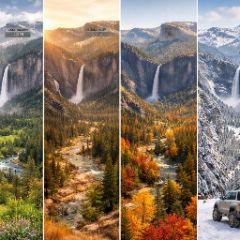
Yosemite's tranquil trails, mild temperature around 16°C, and favorable hiking conditions continue through most of the park. By then, the waterfalls are dry - Yosemite Falls can dry to a trickle - and snows may close Tioga Road even before October is over.
Snow transforms the Valley by December into something genuinely beautiful, but chain requirements on Highway 140 and closures throughout higher elevations limit your options significantly. Glacier Point Road typically shuts entirely.
Fall suits photographers and hikers who want space to breathe. Winter works best for snow lovers and budget travelers - room rates drop considerably after Thanksgiving.
Yosemite Weather and Access: What Changes Most by Season
This is where elevation comes into play. Yosemite Valley, sitting at about 4000' elevation, stays open year-round, though Tioga Road - crossing the Sierra Nevada from nearly 10,000 feet - usually closes in November and does not reopen until May or June, sometimes in the next month owing to heavy snowfall. Glacier Point Road follows suit. The coming of Spring means waterfalls become fierce and temperatures unpredictable. Summers are scorching in the valley with temperatures often above 90 degrees Fahrenheit. Fall changes into crisp silence. Winter brings snow, ice, and requires chains. Where you want to go is often equally dependent on the when.
The Best Season Depends on Your Priorities
A month is the perfect length of time for a trip. By bringing about high water and mud in spring, forcing the trail to close temporarily, and carrying tabs on crowds, the trail levelers of the summer mule pack are at their height.